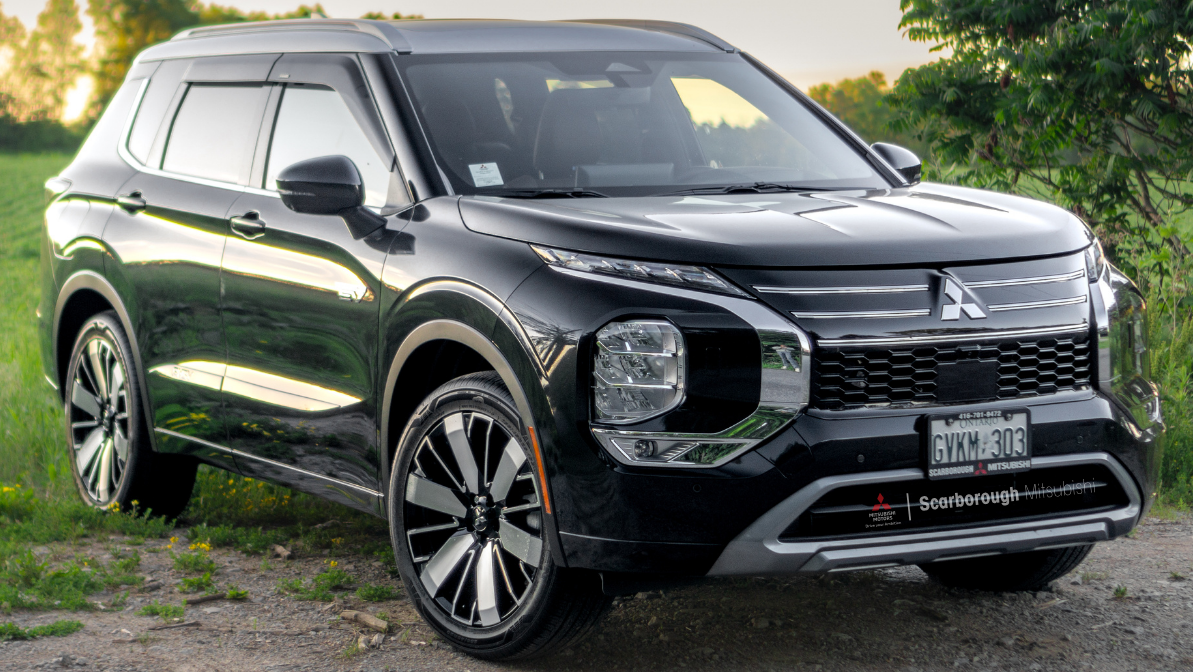
Ask any true car person what makes a vehicle great, and you’ll rarely hear “the spec sheet.” You’ll hear about the moment the roof disappears overhead on a perfect afternoon. The sound an inline-6 makes when it settles into cruise. The way a cabin makes you feel the second you close the door. Over three separate weekends, I got to live with three SUVs that have earned genuine reputations in the enthusiast world — not through marketing, but through decades of doing exactly what they promise. Here’s what stood out, and why each one deserves its following.
Jeep Wrangler Sahara — The Purist’s Freedom Machine
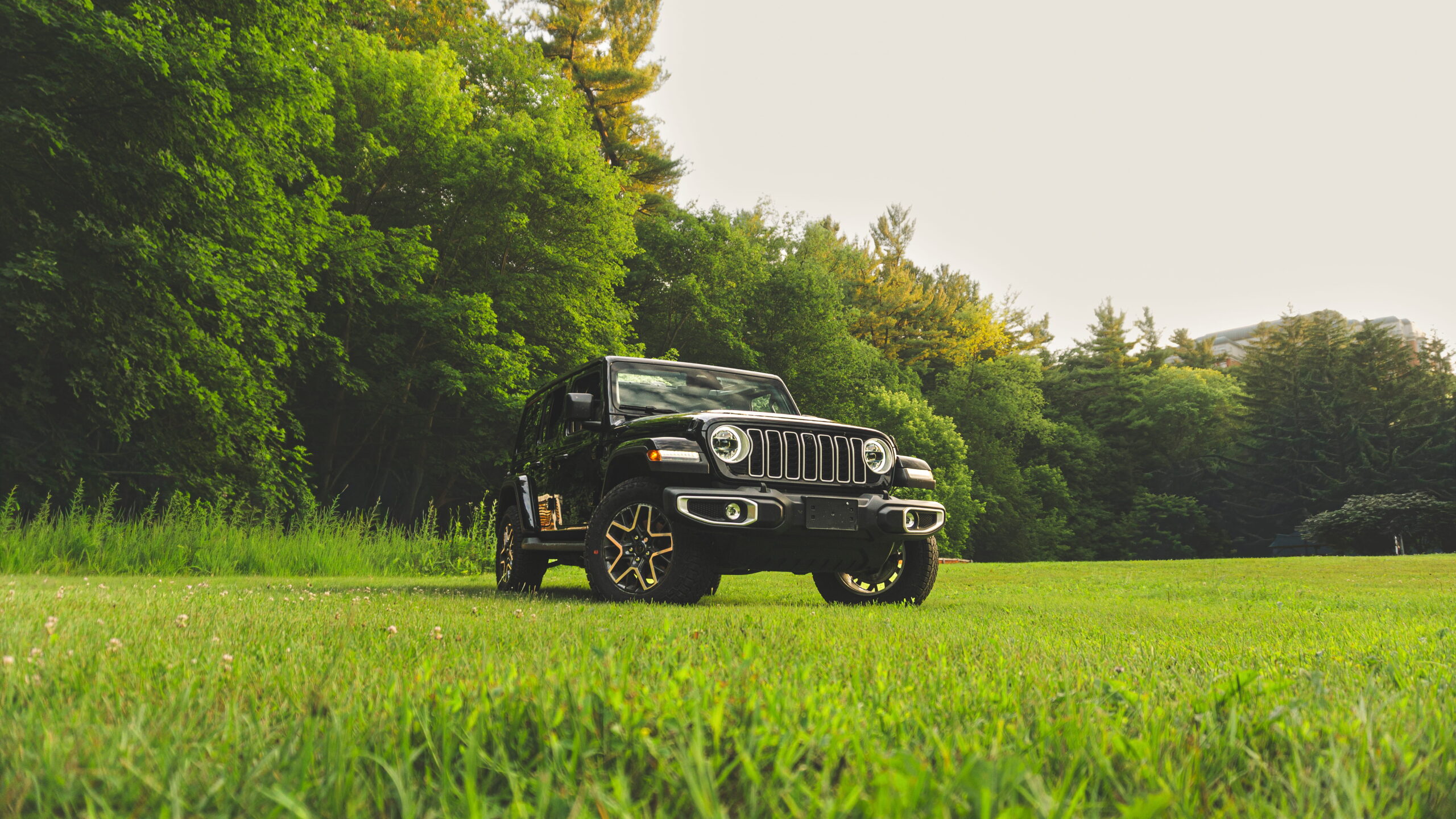
There’s a reason the Wrangler’s silhouette hasn’t fundamentally changed in generations — round headlights, a seven-slot grille, and a boxy, upright stance that traces its lineage straight back to the original off-roaders. In a world where SUVs increasingly blur together, the Wrangler still looks like exactly what it is, and enthusiasts respect that kind of design honesty.
Underneath, this is still a vehicle built on solid-axle architecture and part-time 4×4 hardware — the kind of mechanical simplicity that serious off-roaders trust because it’s proven, serviceable, and genuinely capable when the pavement runs out. That’s not nostalgia; that’s engineering that still matters.
But the Sahara trim is really about how that hardcore DNA translates into everyday joy. Trigger the Sky One-Touch power top and the entire roof glides back at the push of a button, no wrestling with panels, no compromise. Combine that with the Wrangler’s long-standing tradition of removable doors and a fold-flat windshield, and you have one of the only vehicles left that treats open-air driving as a birthright, not an option box.
Inside, Jeep made a deliberate choice that any driver-focused enthusiast will appreciate: a button-and-knob-driven dashboard instead of burying every function inside a touchscreen. Climate, drive modes, key settings — all reachable without ever taking your eyes off the road. It’s a small detail, but it’s the kind of thoughtful restraint that separates a vehicle designed by people who actually drive from one designed purely by a spec sheet.
For a customer cross-shopping daily usability against weekend capability, the Sahara’s answer is simple: you don’t have to choose.
Ford Bronco Outer Banks — Where Heritage Meets Genuine Versatility
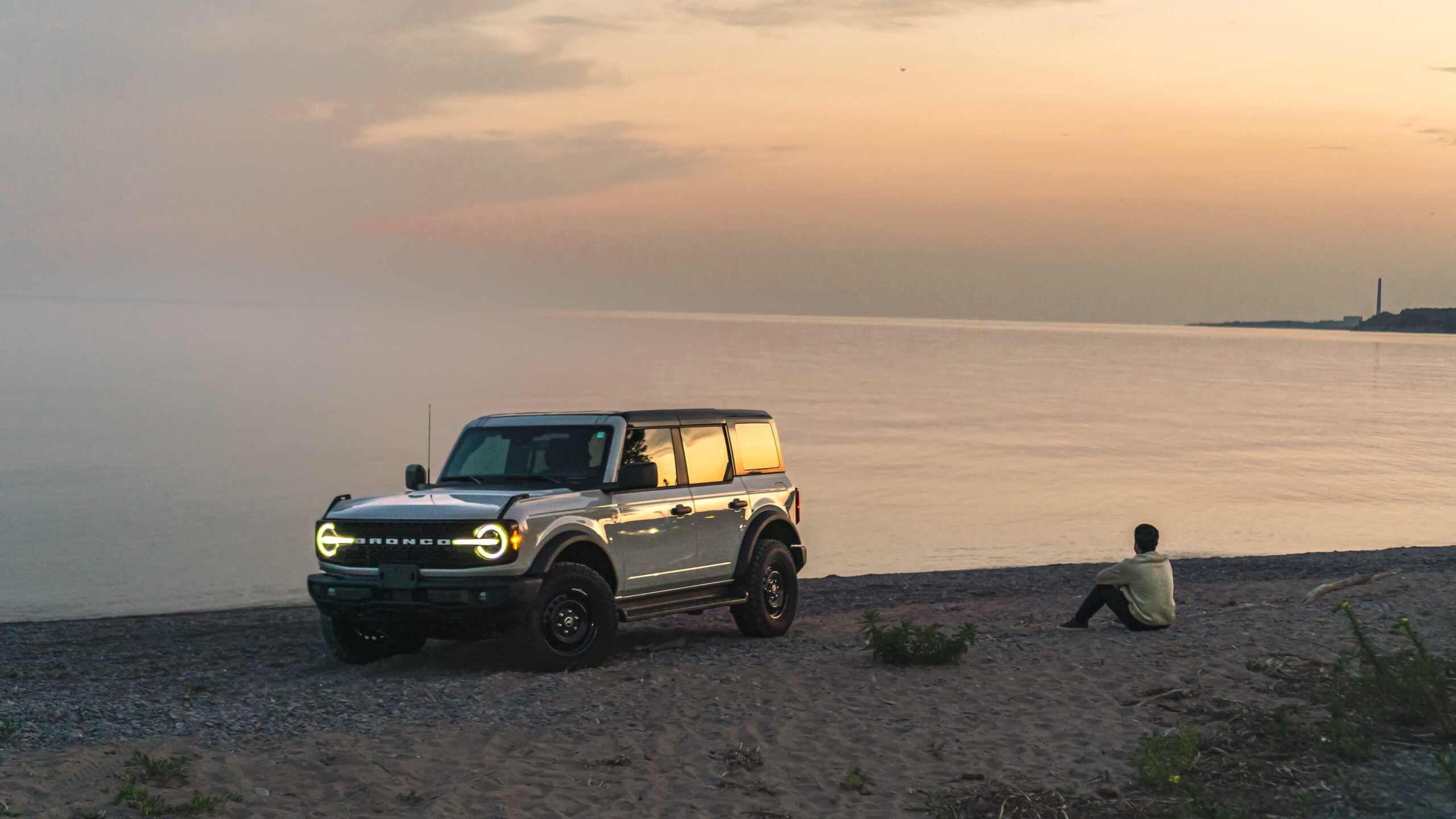
Few modern comebacks have landed as convincingly as the Bronco’s return, and the Outer Banks trim shows exactly why. The design team clearly studied the original closely — round headlamps, a squared hood, and short overhangs that echo the ancestor without feeling like costume — and then built a genuinely modern vehicle underneath it.
What impresses knowledgeable drivers most is how usable that capability is day to day. The available G.O.A.T. Modes (Goes Over Any Type of Terrain) let the vehicle automatically reconfigure throttle mapping, traction control, and drivetrain behavior for conditions ranging from sand to mud to slick pavement — technology that used to live only in dedicated off-road specialists, now standard thinking for a daily-driven SUV.
Then there are the details that reward actual ownership rather than a showroom glance: integrated side steps and generous ground clearance that make entry and exit effortless regardless of who’s climbing in, removable doors and modular roof panels for open-air days, and a design language that photographs as naturally on a trailhead as it does outside a downtown restaurant.
It’s a vehicle that doesn’t ask you to pick a lane between “weekend adventure rig” and “vehicle I drive to work Monday morning” — and that dual identity is exactly why it’s resonated so strongly since it returned to the market.
Land Rover Defender 110 X Dynamic SE — Engineering That Rewards Close Attention
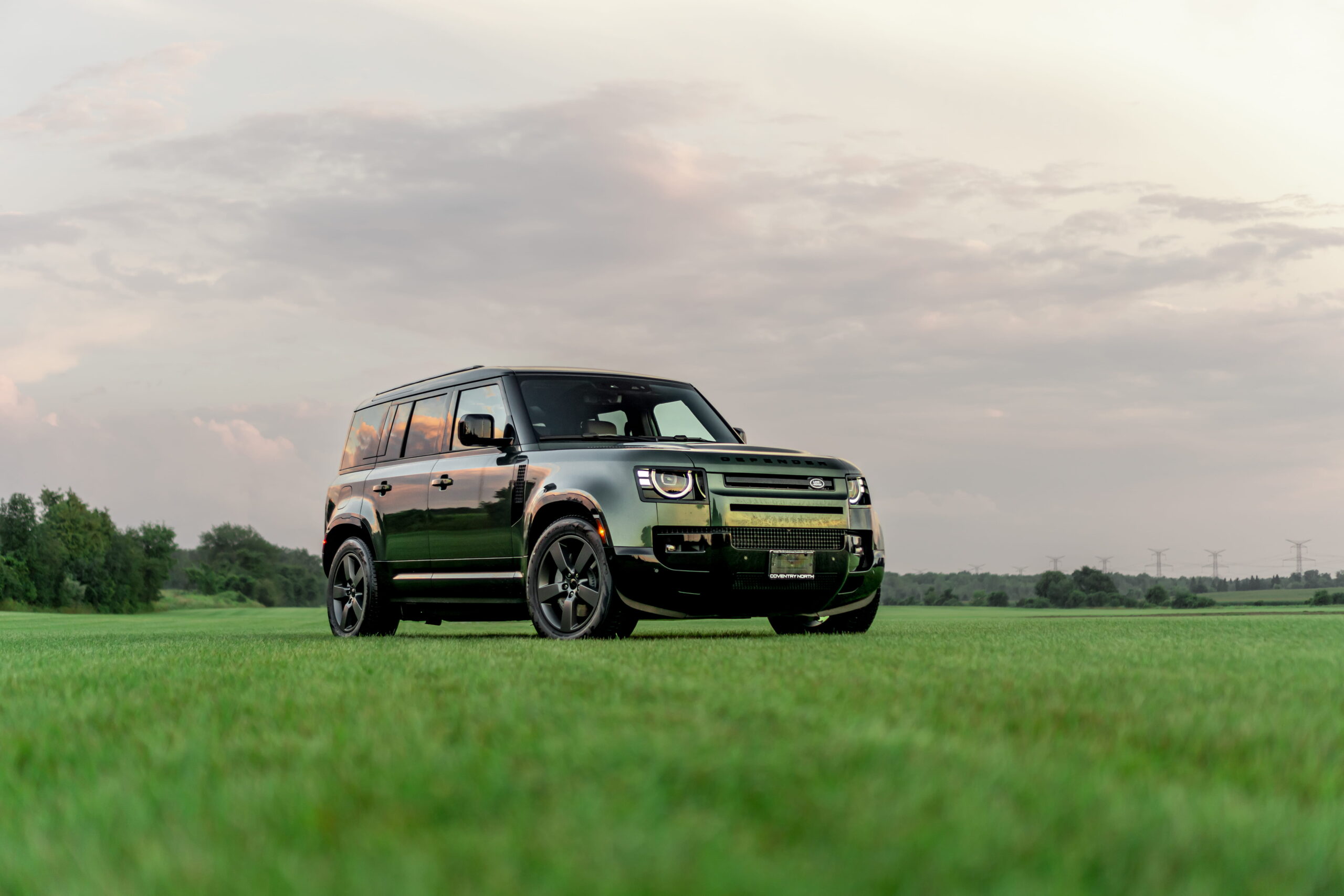
And then there’s the Defender — the one that, even to an experienced eye, keeps revealing more the longer you spend with it.
Start with the architecture. The modern Defender is built on Land Rover’s D7x aluminum monocoque platform, engineered specifically to deliver the torsional rigidity of a traditional body-on-frame off-roader without the weight penalty — a genuinely significant piece of engineering that lets the Defender ride, handle, and isolate road noise more like a luxury vehicle than its silhouette suggests. That’s the kind of detail that makes an enthusiast lean in.
The height-adjustable air suspension, paired with Land Rover’s Terrain Response system, lets the driver raise ride height for genuine off-road clearance or drop it for stable, planted highway manners — all without leaving the driver’s seat. It’s not a gimmick; it’s the same philosophy that’s made Land Rover’s terrain systems benchmark technology in the segment for years.
Then there’s the drivetrain: the P400 powertrain pairs a 3.0-liter inline-6 with turbocharging to produce a strong 400 horsepower, delivered with the smoothness and refinement you’d expect from an engine architecture built as much for touring comfort as outright capability — and it does so while returning genuinely impressive efficiency for a vehicle this substantial. That balance of power and composure is rare, and it’s immediately noticeable the moment you’re on the highway.
Inside, the cabin backs up every claim the exterior makes — premium materials, a hushed environment even at speed, and an intuitive Pivi Pro infotainment system that puts information exactly where the driver needs it. For a customer who wants luxury-SUV comfort without sacrificing an ounce of genuine capability, the Defender 110 X Dynamic SE isn’t a compromise — it’s the rare vehicle that simply delivers both.
Quick Comparison
| Feature | Jeep Wrangler Sahara | Ford Bronco Outer Banks | Defender 110 X Dynamic SE |
|---|---|---|---|
| Design philosophy | Purist off-road heritage, unmistakable silhouette | Modern reinterpretation of an off-road icon | Premium capability with luxury-grade refinement |
| Signature technology | Sky One-Touch power top | G.O.A.T. Modes terrain-adaptive drive system | Height-adjustable air suspension + Terrain Response |
| Everyday livability | Driver-focused, button-first dashboard | Integrated side steps, effortless entry | Pivi Pro infotainment, hushed premium cabin |
| Engineering highlight | Solid-axle, part-time 4×4 simplicity and durability | Modular doors/roof, adaptive off-road electronics | D7x aluminum monocoque platform |
| Powertrain character | Proven, rugged, built to be serviced anywhere | Adventure-tuned versatility across conditions | P400: 3.0L inline-6 turbo, 400hp, refined and efficient |
Final Thoughts
Three weekends, three genuinely different philosophies on what an SUV should be — and three vehicles that earn their reputations honestly. The Wrangler Sahara proves that mechanical simplicity and open-air freedom never go out of style. The Bronco Outer Banks shows how far adaptive off-road technology has come while staying completely usable every single day. And the Defender 110 X Dynamic SE demonstrates what happens when a legendary nameplate is re-engineered from the ground up without ever losing sight of what made it legendary in the first place.
For any customer weighing capability against comfort, or any enthusiast who wants a vehicle that respects both engineering and experience, this is the rare case where all three answers are correct. The only real question left is which weekend you want to have.
Which one would you choose for your next adventure?